
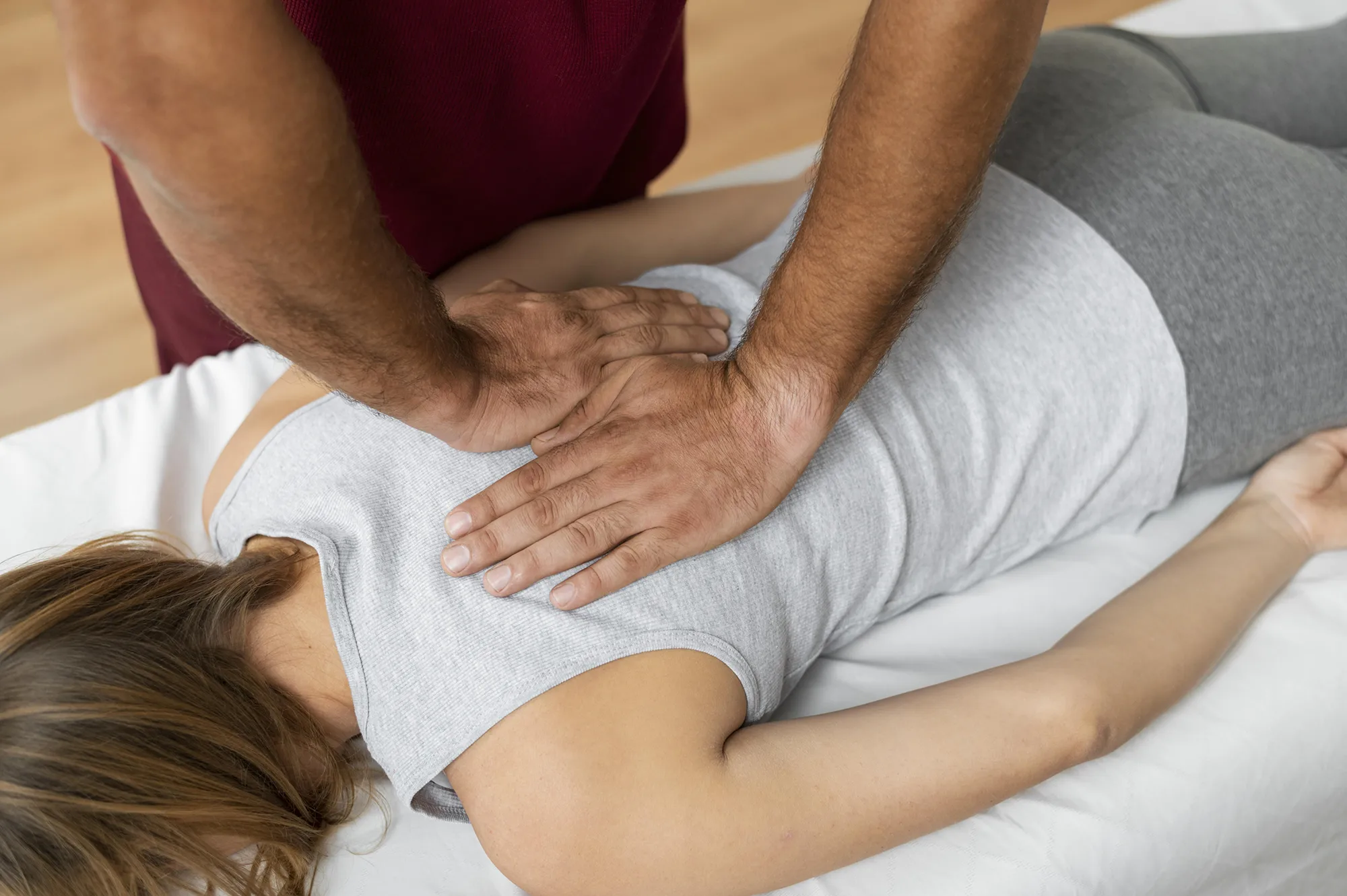
As a certified Rolfer with many years of experience working with professional athletes and weekend warriors alike, I’ve witnessed firsthand how Structural Integration can revolutionize the recovery process. Athletic injuries often stem from deeper structural imbalances that traditional treatments may overlook. This comprehensive guide explores how Rolfing addresses these root causes to accelerate healing and prevent future injuries.
Understanding Rolfing’s Unique Approach to Athletic Recovery
Rolfing, officially known as Structural Integration, differs significantly from conventional massage therapy or physical therapy. While these modalities focus on specific injury sites, Rolfing examines the entire body as an interconnected system. This holistic perspective is particularly valuable for athletes whose bodies operate as finely tuned machines where every component affects overall performance.
The fascial network, which Rolfing specifically targets, plays a crucial role in athletic performance and injury recovery. Fascia is the connective tissue that surrounds muscles, bones, and organs throughout the body. When fascia becomes restricted due to injury, overuse, or compensation patterns, it creates tension that can manifest as pain, reduced mobility, and decreased performance far from the original injury site.
During my years of practice, I’ve observed that athletes who incorporate Rolfing into their recovery protocols typically experience faster healing times and more complete restoration of function compared to those using traditional methods alone. This occurs because Rolfing addresses the structural relationships that contribute to injury patterns rather than just treating symptoms.
How Rolfing Accelerates Healing in Athletes
The healing benefits of Rolfing for athletic injuries operate through several interconnected mechanisms. First, the systematic manipulation of fascial tissue improves circulation and lymphatic drainage throughout the affected areas. Enhanced blood flow delivers essential nutrients and oxygen to healing tissues while removing metabolic waste products that can impede recovery.
Rolfing also works to release compensation patterns that develop following injury. When athletes experience pain or limited mobility in one area, their bodies naturally adapt by altering movement patterns. While these compensations may provide temporary relief, they often create secondary tensions that can lead to additional injuries. Through careful assessment and targeted intervention, Rolfing helps restore optimal movement patterns before these compensations become permanently ingrained.
The neurological benefits of Rolfing are equally significant. The deep pressure and specific techniques used in Structural Integration stimulate proprioceptors in the fascia, improving body awareness and coordination. This enhanced proprioception is particularly valuable for athletes returning to sport after injury, as it helps prevent re-injury by improving movement quality and reaction times.
Finding Expert Rolfers NYC Athletes Trust
For athletes seeking Rolfing treatment, finding a qualified practitioner is essential. The best rolfers NYC has to offer typically hold certification from the Rolf Institute of Structural Integration and have additional training in working with athletic populations. These practitioners understand the unique demands placed on athletic bodies and can tailor their approach accordingly.
When selecting a Rolfing practitioner, look for someone who takes a comprehensive intake history and performs a thorough postural assessment. Experienced rolfers will evaluate your movement patterns, discuss your athletic goals, and develop a treatment plan that addresses both immediate injury concerns and long-term structural optimization.
Many top-tier rolfers NYC practitioners also maintain relationships with other healthcare providers, including orthopedic doctors, physical therapists, and sports medicine specialists. This collaborative approach ensures that Rolfing treatment integrates seamlessly with other aspects of your recovery program.
The Rolfing NYC Treatment Process for Athletes
Rolfing NYC treatment for athletic injuries typically follows a structured approach, though the exact protocol varies based on individual needs. Most practitioners begin with a comprehensive assessment that includes postural analysis, movement evaluation, and discussion of injury history and athletic goals.
The initial sessions often focus on establishing better overall structural organization before addressing specific injury sites. This may seem counterintuitive, but creating a stable foundation allows the body to heal more effectively. For example, an athlete with a knee injury might receive work on their pelvis and spine before direct attention to the knee itself.
As treatment progresses, the Rolfer will gradually address more specific areas while maintaining focus on whole-body integration. Each session builds upon previous work, creating lasting changes in tissue quality and movement patterns. The systematic nature of this approach helps ensure that improvements are maintained long after formal treatment concludes.
Rolfing Massage in NYC: What Sets It Apart
While often referred to as “rolfing massage in NYC,” it’s important to understand that Rolfing differs significantly from traditional massage therapy. Massage typically focuses on muscle relaxation and stress relief, while Rolfing aims to create lasting structural changes in the body’s connective tissue matrix.
The pressure used in Rolfing is generally deeper and more specific than massage, and practitioners work with longer, sustained contact rather than the flowing strokes characteristic of massage. This approach allows for more significant fascial release and structural reorganization.
However, both modalities can complement each other effectively. Many athletes benefit from incorporating both relaxation massage and Structural Integration into their recovery programs, using each approach for its specific benefits.
Preventing Future Injuries Through Rolfing in NYC
One of the most significant advantages of rolfing in NYC for athletes is its preventive potential. By addressing structural imbalances before they lead to injury, Rolfing can help athletes maintain peak performance while reducing their risk of future problems.
Regular Rolfing sessions can identify and correct subtle movement dysfunctions that might otherwise develop into more serious issues. This proactive approach is particularly valuable for athletes who train intensively or compete frequently, as it helps their bodies adapt to increasing demands while maintaining optimal function.
The body awareness gained through Rolfing also enables athletes to recognize early warning signs of potential problems. This increased sensitivity allows for earlier intervention and more effective prevention strategies.
Integrating Rolfing with Your Current Recovery Program
Rolfing works exceptionally well when integrated with other recovery modalities. The structural changes created through Rolfing can enhance the effectiveness of physical therapy exercises, improve the results of chiropractic adjustments, and increase the benefits of other manual therapies.
Communication between your various healthcare providers is crucial for optimal results. Share information about your Rolfing treatments with your physical therapist, physician, and other practitioners to ensure everyone is working toward the same goals.
The timing of Rolfing sessions relative to training and competition also requires consideration. While Rolfing can be performed throughout the competitive season, some athletes prefer to schedule intensive work during off-season periods when they can allow adequate time for integration and adaptation.
Remember that Rolfing is an investment in your long-term athletic success. While the benefits may not be immediately apparent after a single session, the cumulative effects of systematic Structural Integration can transform both your recovery capacity and overall performance potential.